AI Lesson Planner: Create Customized Educational Content in Minutes

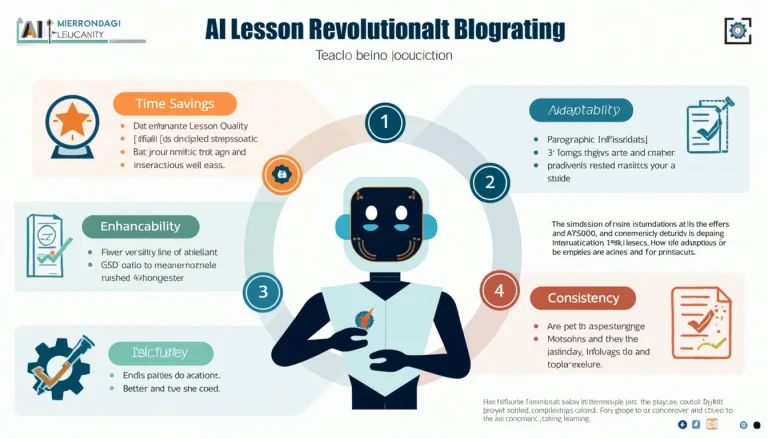
The AI Lesson Planner turns your inputs into a standards-aligned lesson in seconds, slashing the 7 hours a week U.S. teachers spend on planning by 85 % (RAND, 2022).

The AI Lesson Planner turns your inputs into a standards-aligned lesson in seconds, slashing the 7 hours a week U.S. teachers spend on planning by 85 % (RAND, 2022).

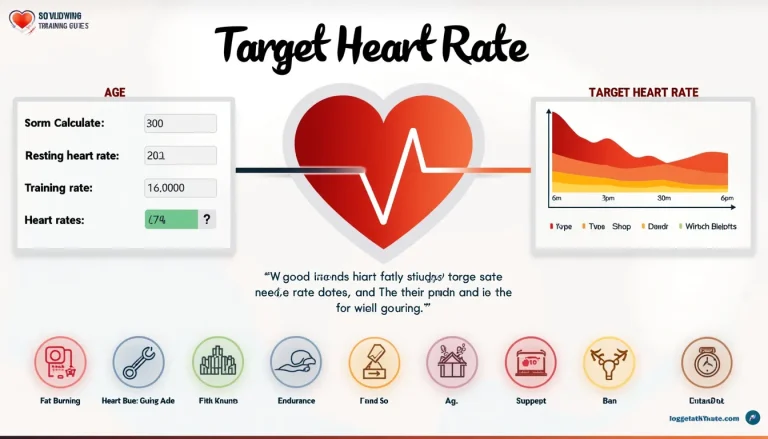
Set your cardio intensity in seconds: enter age, resting pulse, training goal or exact intensity, pick a maximum-heart-rate formula, and the calculator returns your personalised zone—for example, a 37-year-old with a 55 bpm rest rate sees 132-145 bpm for fat-burning. Hitting 64-76 % MHR is the evidence-based sweet spot for moderate exercise (ACSM, 2022).

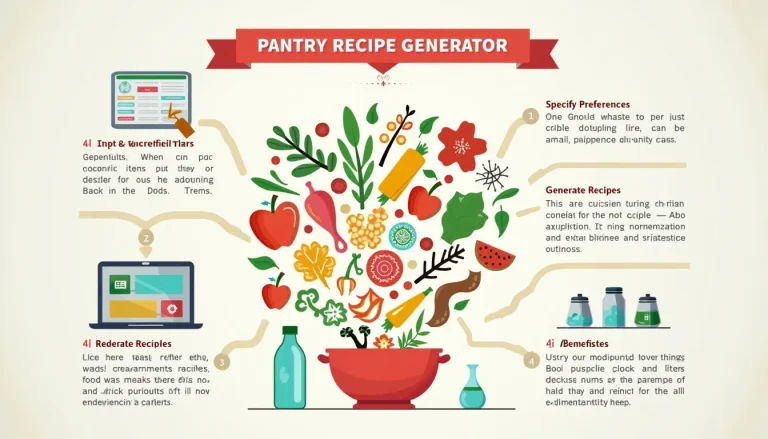
Pantry Recipe Generator turns whatever ingredients you already own into ready-to-cook recipes—no extra shopping. Simply list pantry items, set optional cuisine or dietary filters, and press Generate; results copy with one click. U.S. households discard 31.9 % of the food they purchase, worth roughly $240 billion each year (USDA ERS, 2022).

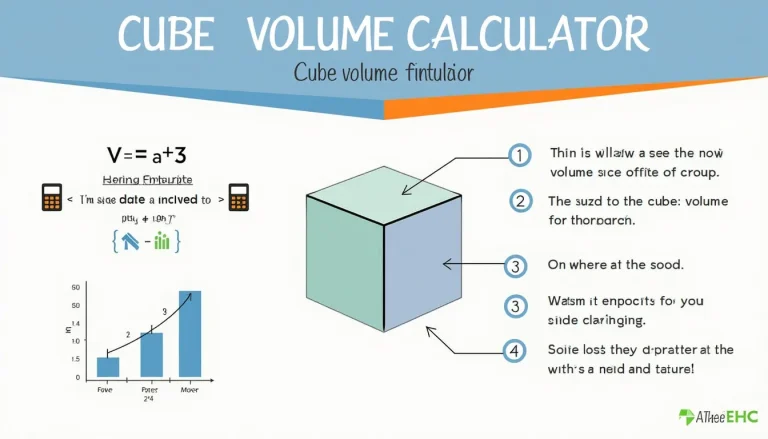
Type a positive side length, choose units and precision, press calculate; the tool returns volume instantly. Because volume scales with the cube, doubling the side makes volume eight times larger (NIST, 2023).

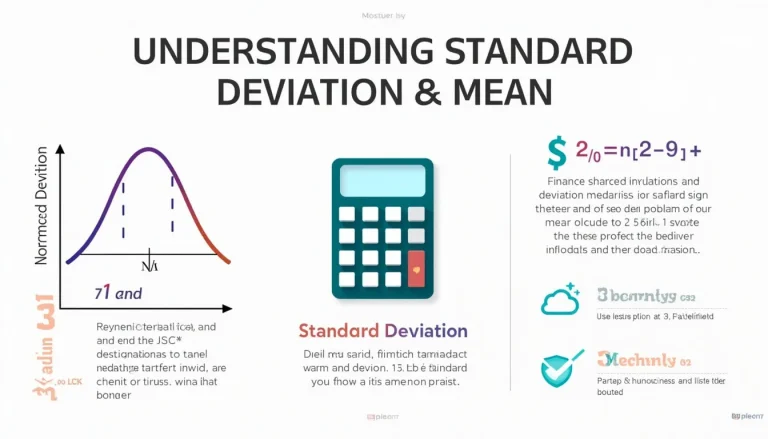
A z-score shows how far a value sits from the mean in standard deviations; about 95 % of normally distributed values lie between −1.96 and +1.96 z (Altman & Bland, 1995 https://www.bmj.com/content/310/6976/298).

Track up to five cryptocurrencies and view their total value in USD, EUR and GBP in seconds. The tool pulls live prices from CoinGecko, which refreshes every 60 seconds on average (CoinGecko Docs, 2023).

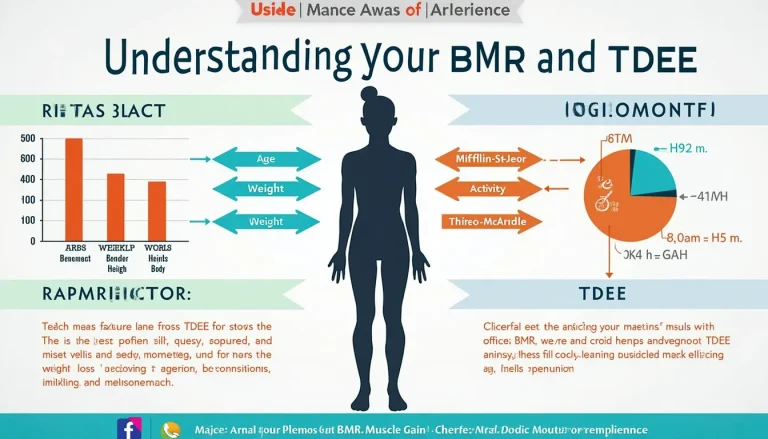
Quickly estimate your basal metabolic rate (BMR) and total daily energy expenditure (TDEE) by entering age, weight, height, gender, body-fat %, and activity level. Resting metabolism already accounts for about 70 % of the calories you burn each day (Hall et al., 2004).

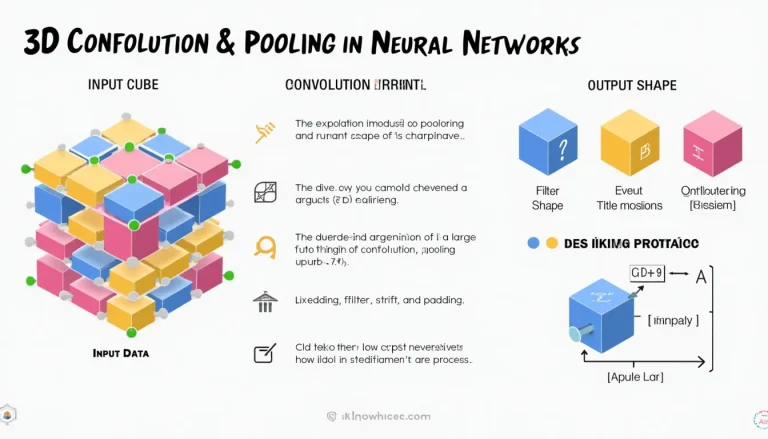
Use the calculator to instantly predict the shape of a 3-D convolution or pooling layer. Enter input size, filter size, stride, padding and (optionally) pooling values—the tool returns the new depth × height × width × channels. A 3-D kernel trimmed video classification error by 16 % versus 2-D kernels (Tran et al., 2015).

Enter your balanced reaction and each reactant’s mass; the calculator converts grams → moles, finds the limiting reactant, and multiplies by stoichiometric ratios to output maximum product. In undergraduate labs, actual yields average 79 % of that value (RSC Lab Report, 2020).